Cartridge vs Bag Filters for Industrial Dust Control
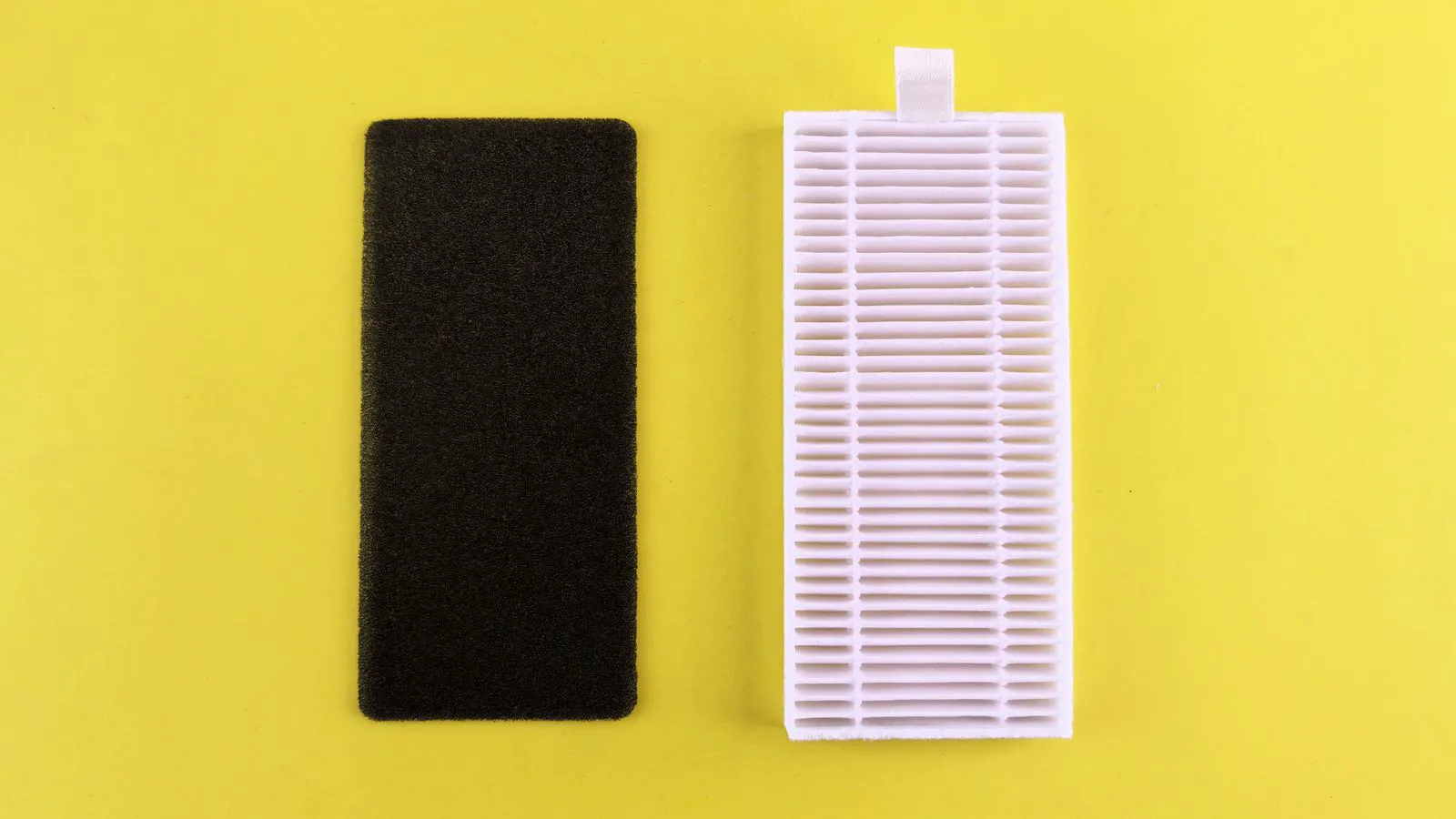
Cartridge filters offer easy access and uniform loading, while bag filters suit high-volume systems. The right choice depends on airflow, particulate size, and maintenance access. A clear filter replacement schedule ensures consistent filtration efficiency.
- Cartridge filters are easier to inspect and replace, making them ideal for smaller or medium-sized systems where access is limited.
- Bag filters handle higher airflow volumes and are often preferred for large-scale dust collection applications.
- The filter replacement schedule depends on the filter type, particulate load, and system design.
- Media selection, not just form factor, drives filtration performance and cost.
- Reusable elements can extend service life if cleaning is done correctly.
What drives the choice between cartridge and bag filters?
Dust collection systems are not one size fits all. The form factor of the filter element changes how you design the housing, how you load the system, and how often you service it. Buyers often ask which is better, but the answer depends on three variables: airflow rate, particulate concentration, and maintenance access.
Cartridge filters are cylindrical elements wrapped around a frame. They sit in a row inside the collector housing. Bag filters hang from a top frame and fill the lower section. Both use pleated media to increase surface area. The difference is in the shape, the loading pattern, and the service interval.
When comparing these two options, the filter replacement schedule is the first thing that changes. Cartridges tend to load more evenly across the whole element. Bags can load unevenly if the airflow is not balanced. Uneven loading creates hot spots where the media clogs early. Those spots force early replacement even if the rest of the bag is still clean.
How do airflow and system size affect the decision?
Large systems with high airflow often favor bag filters. The open shape allows a greater number of bags to hang in a single collector. You can pack more media into the same footprint. The airflow passes through the bags and exits through the top frame. This design works well for woodworking, cement, grain, and other high-volume dust sources.
Cartridge filters are more common in medium-sized systems. The cylindrical shape fits neatly into a row. The housing is usually rectangular or box-shaped. Airflow moves across the top of the cartridges and exits through the side. This design is easier to install in tight spaces. It also makes it simpler to add or remove elements during maintenance.
If your system has a fixed airflow, the filter form factor changes the pressure drop. Bags can be hung closer together. Cartridges need more spacing for airflow to move around them. This affects the collector size. A smaller collector with cartridges may need a larger fan to push the same airflow through the media.
How does particulate type change performance?
The dust you are collecting changes the loading behavior. Fine powders coat the media surface. Coarse particles tend to lodge in the pleats. Fine dust, such as flour, cement, or chemical powders, loads the media more quickly. Coarse dust, such as wood chips or metal shavings, may pass through the media and build up in the collector case.
Cartridge media is often pleated to increase the surface area. The pleats allow the dust to build up in a controlled layer. This layer acts as a secondary filter. The media itself stays clean longer. Bag media works the same way. The pleats trap the dust. The difference is that bag media is often wider. A single bag can hold more dust before the pressure drop becomes too high.
For systems with mixed dust, such as sawdust mixed with fine powder, the bag may load unevenly. The fine powder coats the upper pleats. The coarse particles lodge in the lower pleats. This creates a pressure drop that increases faster than expected. Cartridges can show the same issue, but the smaller element size makes it easier to find the problem area. You can inspect each cartridge individually. You can swap out one or two instead of the whole set.
What does the filter replacement schedule look like for each type?
The filter replacement schedule is not a fixed number of hours. It depends on the dust load, the airflow, and the media type. A good baseline is to track the pressure drop across the collector. Most systems have a gauge or a differential pressure sensor. The manufacturer provides a baseline reading. When the pressure drop rises above that baseline, the media is loaded.
For bag filters, the replacement schedule often follows a pressure trigger. When the gauge reads a certain level, you replace the bags. Because bags are larger, you may replace them in sets. If one bag fails, you may replace the whole row. This is a cost factor. You do not want to replace a bag that is still clean just because one neighbor is failing.
For cartridge filters, the schedule can be more granular. You can check each cartridge. You can replace the ones that are loaded. You can leave the clean ones in place. This can reduce media cost. It also reduces downtime. You do not have to shut down the whole system to change the filters. You can work on one row at a time.
A practical filter replacement schedule includes a log. Record the date, the pressure drop, and the number of elements replaced. This gives you a baseline for future orders. It also helps you track media lead times. If you need a specific media type, you want to know when to order. You do not want to run the system without filtration because the media is out of stock.
How do maintenance access and service time differ?
Access changes the service process. Cartridge filters sit in a row. You open the side panel. You pull out the cartridges. You inspect the media. You replace them if needed. The whole process can be done in minutes. You do not need to climb into the collector. You do not need to remove the bags from the frame.
Bag filters hang inside the collector. You open the top or side panel. You reach up to the frame. You pull the bag by the strap. You drop it into the waste bin. You hang the new bag. This takes longer. The bags are heavier. The frame is higher. You may need a ladder or a platform. The service time is longer, but the airflow is higher. You are changing more media at once.
The maintenance access also affects safety. Cartridge systems are usually lower to the ground. You can work at waist height. Bag systems are often taller. You may need to work at shoulder height. The dust inside the collector is fine and can be hazardous. You want to minimize the time you are exposed. A quick cartridge change reduces exposure. A bag change requires more time and more protection.
When should you choose reusable elements?
Reusable elements are an option for both cartridge and bag filters. They are made from a washable media. After they load, you remove them and clean them. You can use a vacuum, a water rinse, or a compressed air pulse. The media is then reinstalled. This extends the service life. You replace the element only when the media is damaged or when the cleaning no longer restores the filtration efficiency.
Reusable elements change the filter replacement schedule. You do not replace the media as often. You replace the housing, the frame, or the seal. The media itself can last for years. This reduces the ongoing cost. It also reduces the waste. You are not throwing away clean media that is still usable.
The cleaning process must be done correctly. If you rinse the media with water, you must dry it completely. Moisture can cause mold or media degradation. If you use compressed air, you must direct it from the inside out. You do not want to push dust deeper into the pleats. A quick clean with a vacuum may be enough for light dust. Heavy dust may require a wet clean.
How to build a service plan for your system
A good service plan starts with the manufacturer’s baseline. Record the pressure drop at startup. Set a trigger level. For example, if the baseline is 500 pascals, set the trigger at 1500 pascals. When the gauge reads 1500, you check the media. You do not wait for a failure. You do not wait for the system to lose airflow. You act when the number changes.
The plan should include a parts list. You need the correct media, the correct frame, and the correct seals. You need the correct size. If you order the wrong size, the system will not seal. Air will bypass the media. The pressure drop will be wrong. The filtration will fail.
The plan should include a schedule. Check the pressure drop weekly. Inspect the media monthly. Clean or replace the media when the trigger is reached. Keep the log. Review the log every quarter. Look for trends. If the pressure drop is rising faster than expected, the dust load may have changed. If the pressure drop is stable, the system is working as designed.
A clear filter replacement schedule protects the equipment. It protects the operators. It protects the product. It keeps the system running at the designed efficiency. It also keeps the cost predictable. You know when you will spend money. You know when you will need downtime. You know when you need to order new media. You do not have to guess.
Frequently asked questions
Which filter form factor has a shorter replacement interval?
Bag filters often require replacement less frequently because they hold more dust before reaching the pressure trigger. Cartridges may need more frequent inspection but can be replaced one at a time.
Can I swap cartridge filters with bag filters in the same system?
No. The housing is designed for one form factor. The frame, the airflow path, and the seals are specific to the shape. You cannot swap them without modifying the collector.
What media should I use for fine powder dust?
A high-efficiency pleated media with a low initial pressure drop is recommended. The media should be rated for the particle size you are collecting. Check the manufacturer's datasheet for the specific application.
How often should I check the pressure drop gauge?
Check it at least once a week. If the system runs continuously, check it daily. A sudden rise in pressure can indicate a blockage or a failed seal. A slow rise indicates normal loading.
Is it cheaper to use reusable elements or disposable media?
It depends on the dust load and the cleaning process. Reusable elements reduce media cost but add cleaning labor. Disposable media is simpler but costs more over time. The total cost includes labor, waste disposal, and downtime. ===END===