Future of Liquid Filtration: Trends in Process Water Treatment
Process water filtration is shifting toward smarter monitoring, advanced membranes, and sustainability. Buyers should plan for tighter particle control, remote data access, and modular designs that handle variable water quality without constant intervention.
- Membrane and hybrid systems are gaining ground for tighter particle and dissolved solids control in sensitive processes.
- Online monitoring and predictive maintenance are reducing unplanned downtime and extending filter life in process water loops.
- Sustainability and water recovery are pushing buyers toward energy-efficient designs and closed-loop filtration.
- Modular and skid-mounted units are becoming standard for faster deployment and easier upgrades.
- Water quality variability demands filtration strategies that can handle both stable and fluctuating feed conditions.
Where Process Water Filtration Is Heading
Process water filtration is no longer a static piece of equipment. The systems engineers specify today must handle tighter quality demands, tighter operational margins, and tighter environmental rules than the ones installed a decade ago. Buyers are moving beyond simple particle size ratings. They are asking about dissolved solids, conductivity, microbiological limits, and the energy cost of backwashing.
This shift is visible in every part of the supply chain. Vendors are responding with tighter membrane options, smarter pressure control, and more integrated monitoring. The result is a market where filtration is treated as part of the process control loop, not as a standalone mechanical step.
Tighter Particle and Dissolved Solids Control
The most visible change in process water filtration is the move toward finer particle and dissolved solids control. Many industrial processes now require water that is clean not just from visible particles, but from trace contaminants that can foul heat exchangers, contaminate coatings, or affect chemical reactions.
This has pushed the industry toward multi-stage approaches. A typical setup might combine a coarse prefilter, a cartridge stage, and a membrane or polishing stage. Each stage has a job. The prefilter protects the membrane from large debris. The cartridge handles the bulk of the suspended solids. The final stage removes what the earlier stages cannot.
Buyers should plan for this layered approach. A single filter element, no matter how high rated, will not handle every variable in a process water loop. The risk is overloading one stage and losing performance quickly. A staged design spreads the load and makes replacement schedules more predictable.
Membrane and Hybrid Filtration Options
Membrane filtration has become a standard option for process water where particle size alone is not enough. Reverse osmosis, nanofiltration, and ultrafiltration are now common in water treatment and process applications. Each has a different role.
Reverse osmosis removes dissolved salts and small organics. It is used where conductivity and ion content matter. Nanofiltration sits between reverse osmosis and ultrafiltration. It removes larger organics and some ions while keeping more flow. Ultrafiltration targets larger particles and colloids. It is often used as a pre-treatment step before reverse osmosis.
Hybrid systems are growing. A common example is a cartridge prefilter feeding an ultrafiltration unit, which then feeds reverse osmosis. This protects the expensive membrane from fouling and extends its life. Buyers should evaluate hybrid options when their feed water is variable or when a single stage cannot meet the final quality target.
The trade-off is complexity. More stages mean more pressure control, more monitoring, and more maintenance points. But the trade-off is also higher performance and longer element life.
Online Monitoring and Predictive Maintenance
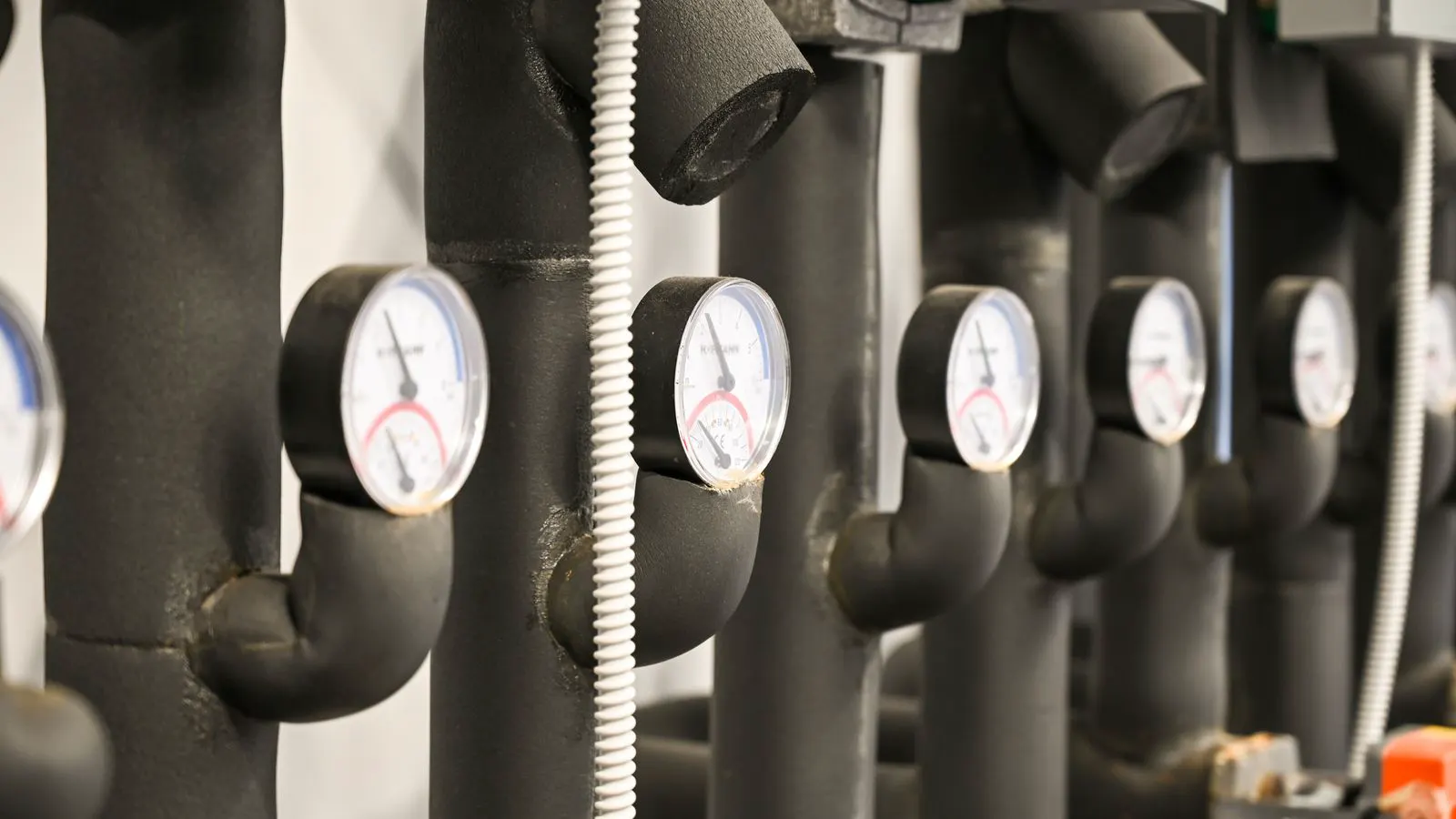
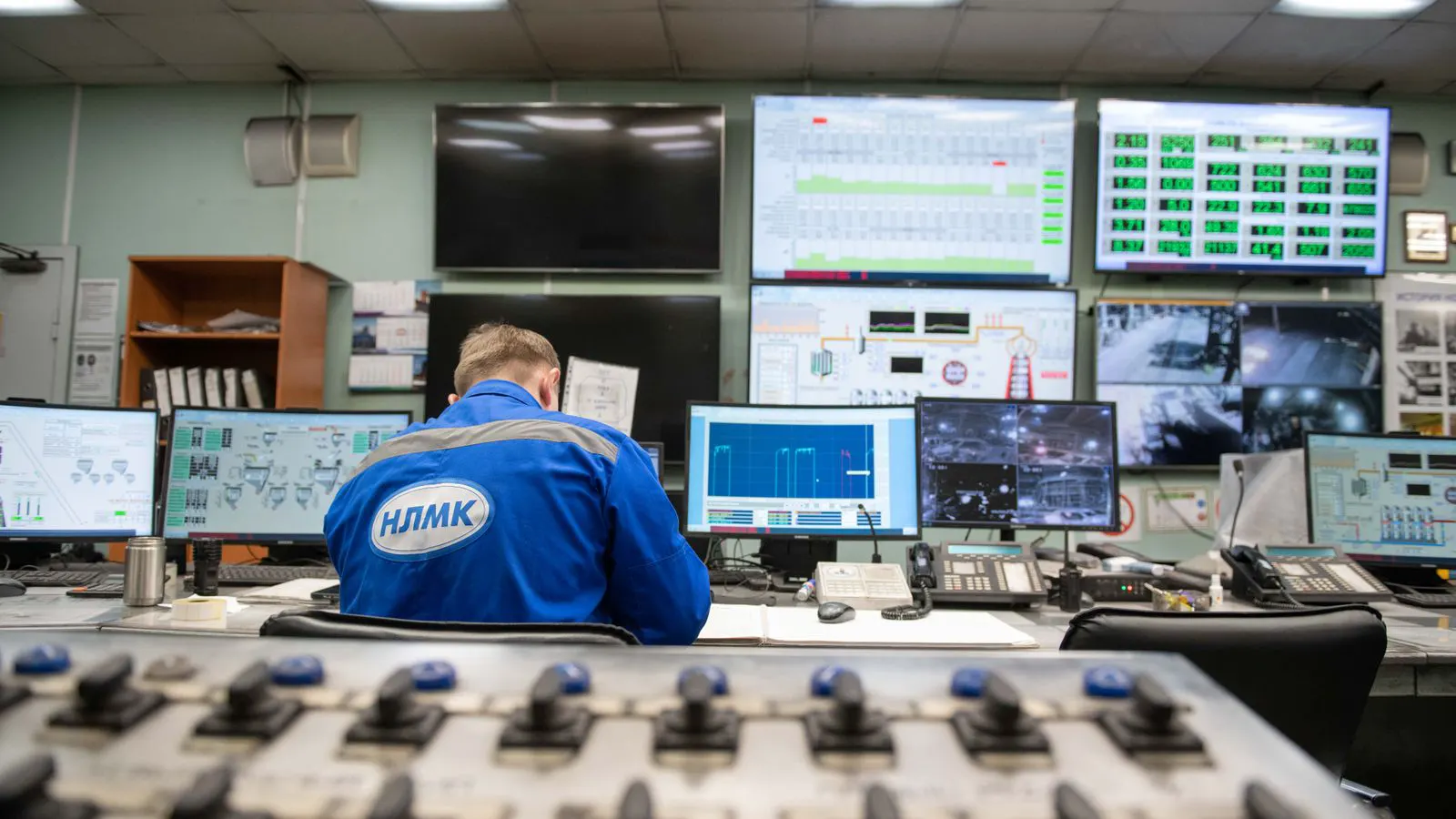
One of the fastest changes in liquid filtration is the move from manual inspection to continuous monitoring. Pressure, flow, conductivity, and temperature sensors are now standard on many skid-mounted systems. Data from these sensors feeds into a local controller or a plant-wide network.
This changes how maintenance is planned. Instead of replacing filters on a fixed calendar, operators can watch for early signs of fouling. A slow rise in differential pressure across a cartridge can trigger a replacement before the system loses pressure. A change in conductivity after a membrane stage can signal a leak or a shift in water quality.
Buyers should ask vendors about data access. Can the system log pressure trends? Can it alert when a threshold is crossed? Can the data be exported for reporting? These features are now expected, not optional. They reduce the chance of a failed element causing a larger process stoppage.
The practical benefit is clear. Fewer unplanned changes. Fewer emergency replacements. Better records for audits. For a process water loop that runs continuously, even small reductions in downtime add up.
Sustainability and Water Recovery
Sustainability is no longer a secondary concern. It is a primary driver in filtration design. Many plants are under pressure to reduce fresh water use and lower the energy cost of water treatment. Filtration plays a direct role in both.
Water recovery systems are becoming more common. Wastewater and process reject streams are treated and returned to the loop. This reduces the volume of fresh water needed and lowers the environmental impact. Filtration is the gatekeeper in this system. If the recovered water is not clean enough, it cannot be reused.
Energy efficiency is the other side. Membrane systems consume energy. Backwashing consumes energy. Pumping consumes energy. Buyers are looking for designs that reduce this cost. Variable speed drives on pumps. Optimized backwash cycles. Low differential pressure elements. These changes are small individually, but they add up over a year of operation.
The practical step is to map the water balance. Know how much fresh water enters the system, how much is used, and how much is recovered. Then size the filtration stages to match that balance. A system designed without this map will either over-filter, waste water, or underperform.
Modular Design and Faster Deployment
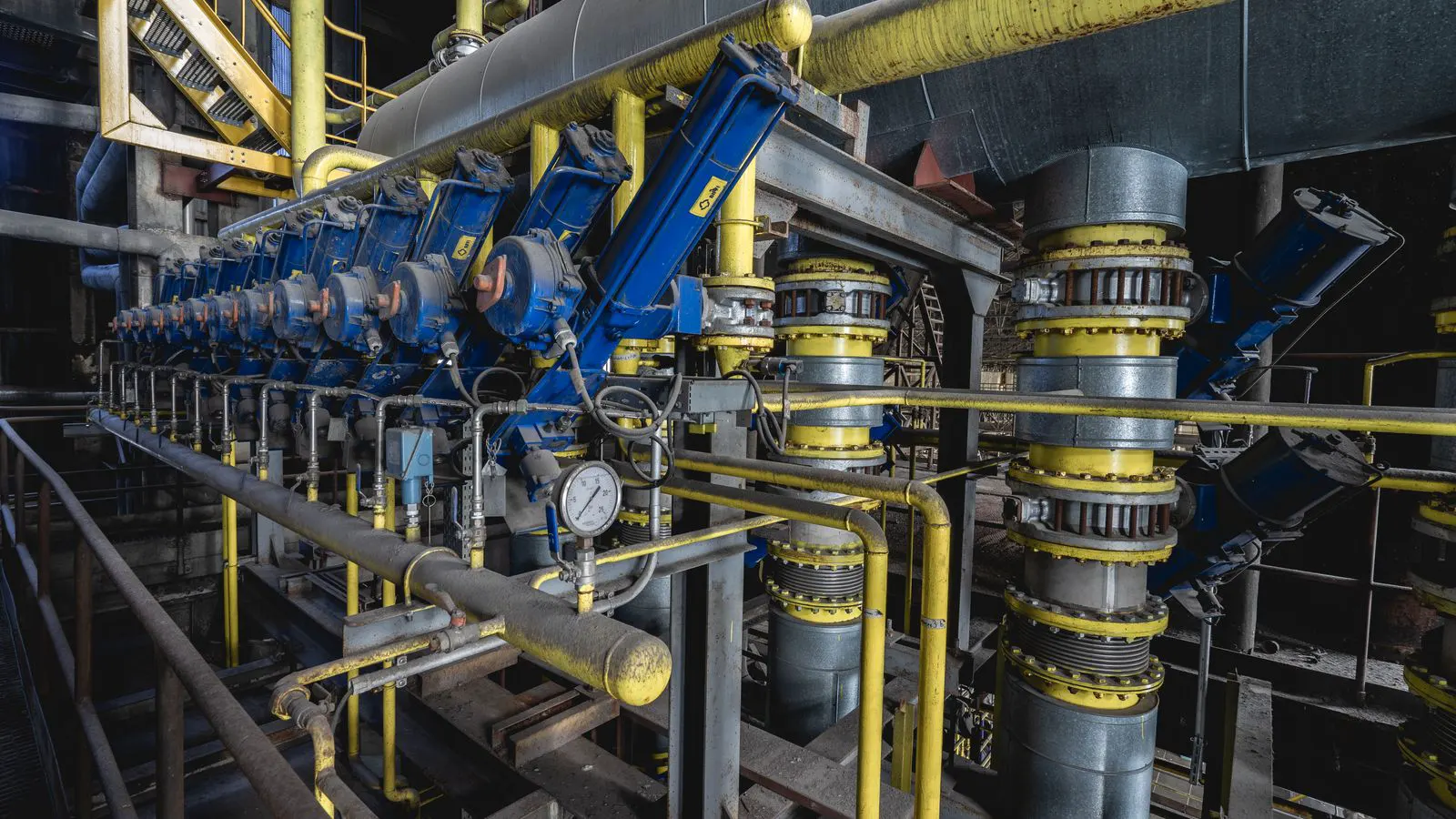
The physical form of filtration is changing. Skid-mounted units are replacing fixed installations in many new projects. A skid brings the pumps, the filter housings, the valves, and the controls on a single platform. It can be shipped, placed, and connected in days rather than weeks.
This is useful for retrofit projects. It is also useful for seasonal or temporary operations. If a plant needs extra water treatment capacity for a short period, a modular unit can be added without a full civil works project.
Modular design also makes upgrades easier. If a process changes and the water quality target shifts, a skid can be reconfigured. A new membrane stage can be added. A new control loop can be wired in. The footprint stays the same.
Buyers should prefer modular options when the process is still being defined or when future changes are likely. A fixed installation is cheaper in some cases, but it is harder to change. The cost of a fixed system is the cost of the change.
How to Prepare for These Filtration Trends
The shifts described above are not optional. They are already visible in new plant designs and in retrofit projects. Buyers who plan for them will have smoother operations and lower long-term costs.
The first step is to define the water quality target with precision. Not just particle size, but dissolved solids, conductivity, microbiological limits, and the acceptable variability over time. This target drives every decision after it.
The second step is to match the filtration stages to that target. A staged system is the default. A single stage is the exception. Each stage should have a clear role and a clear replacement trigger.
The third step is to build in monitoring. Pressure, flow, and quality sensors should be part of the design from the start. Retrofitting sensors later is possible, but it is more expensive and less clean.
The fourth step is to plan for water balance and recovery. Map the water use. Identify reject streams. Determine what can be treated and reused. Size the filtration to handle the recovered volume without degrading the final product.
The fifth step is to choose a form factor that allows change. Modular and skid-mounted units are the default for new projects. They allow upgrades without a full rebuild.
What to Watch in the Next Several Years
The direction is clear. Process water filtration is moving toward tighter control, better data, and lower environmental impact. Membrane technology will continue to expand into applications where it was not used before. Monitoring will become standard, not a premium option. Water recovery will be treated as part of the core process, not as an add-on.
Buyers who treat filtration as a fixed cost will fall behind. Buyers who treat it as a controlled, monitored, and adaptable part of the process will see better performance and fewer surprises. The trend is not toward more equipment. It is toward smarter equipment, better data, and a clearer understanding of the water balance.
The practical move is to plan for change now. Specify systems that can be monitored, upgraded, and reconfigured. Define the water target with precision. Build the stages to match. The result is a filtration system that holds up when the process changes.
Frequently asked questions
What is the main difference between cartridge filtration and membrane filtration for process water?
Cartridge filters remove suspended particles based on size. Membrane filtration removes dissolved solids, ions, and smaller contaminants based on molecular or ionic size.
Do I need a multi-stage filtration system for process water?
In most industrial applications, yes. A staged approach protects downstream equipment and extends element life. A single stage rarely handles all variables in a process water loop.
How do online sensors change filtration maintenance?
Sensors allow maintenance to be based on actual performance rather than a fixed schedule. Early fouling can be detected before a pressure drop forces an emergency change.
Is membrane filtration always the best choice for process water treatment?
No. Membrane systems are best when dissolved solids or very fine particles must be removed. If the feed water is clean and the target is simple particle size, a cartridge system may be sufficient.
What is the biggest mistake buyers make when planning process water filtration?
Defining the water quality target too broadly. Without a precise target for particle size, dissolved solids, and variability, the filtration stages will be mismatched to the actual process needs.