Explaining Filter Grade Ratings for Industrial Buyers
Filter grade ratings measure how well a filter captures particles of different sizes. Understanding these ratings helps buyers match filtration to their specific air quality targets, maintenance cycles, and system design limits.
- Filter grades describe particle capture efficiency, not filter size or material.
- Higher grades reduce pressure drop but increase clogging speed and replacement frequency.
- Always match the rating to the specific particles and cleanliness goals of the application.
- Verify the rating method used by the supplier, as testing standards vary.
- Document the selected grade in your procurement specs to avoid substitution errors.
What filter grade ratings actually measure
Filter grade ratings describe a filter’s ability to capture particles of specific diameters. They do not indicate the physical size of the filter frame, the type of media, or the airflow capacity. When a supplier lists a grade, they are reporting a percentage of particles captured under controlled laboratory conditions.
The most common industrial rating is the Minimum Efficiency Value, or MERV. MERV ratings run from 8 to 16 for standard commercial and industrial air handling. Higher numbers capture smaller particles. A MERV 8 filter handles dust and pollen. A MERV 13 filter catches fine dust, mold spores, and some bacteria. MERV 14 through 16 push into the range where HEPA performance begins.
HEPA is not a single number. It is a performance class. True HEPA filters capture at least 99.95 percent of 0.3 micrometer particles. That threshold is the global consensus for “high efficiency” in medical, pharmaceutical, and cleanroom settings.
The key distinction for buyers is that MERV is a scale for conventional pleated filters, while HEPA describes a performance floor for high-efficiency media. Confusing the two leads to overbuying or underbuying.
How the rating scales differ in practice
The following table summarizes the common industrial filtration grades and their typical capture targets. Use this as a reference when reviewing supplier datasheets.
| Rating Class | Typical Capture Target | Common Industrial Use |
|---|---|---|
| MERV 8 | 70% of 3 micrometer particles | Basic dust removal in general HVAC |
| MERV 11 | 80% of 3 micrometer particles | Fine dust in warehouses and light manufacturing |
| MERV 13 | 85% of 3 micrometer particles | Cleanrooms, pharmaceutical prep, food processing |
| MERV 14-16 | 90-95% of 3 micrometer particles | Sensitive electronics, high-purity air |
| HEPA H13 | 99.95% of 0.3 micrometer particles | Cleanrooms, medical facilities, isolators |
Notice the jump between MERV 16 and HEPA H13. MERV 16 captures a very high percentage of 3 micrometer particles, but it does not guarantee 99.95% capture at 0.3 micrometers. HEPA ratings focus on the most difficult particle size to catch, which is 0.3 micrometers.
This difference matters when you are designing a system for a pharmaceutical cleanroom. A MERV 16 prefilter might handle the bulk of dust, but you will still need a HEPA H13 or H14 unit for final air delivery.
Why filtration efficiency drives sourcing decisions
Choosing a filter grade is not just a technical choice. It directly impacts your operating costs, maintenance schedule, and system design.
Higher efficiency filters capture more particles. That keeps the air cleaner, but it also means the filter loads up faster. A MERV 13 filter in a dusty environment will clog significantly quicker than a MERV 11 filter. You must budget for more frequent replacements.
There is also a pressure drop factor. Dense media that captures small particles creates more resistance to airflow. Your fans must work harder to push air through a high-efficiency filter. If your system was designed for a MERV 8, swapping in a HEPA unit without checking fan capacity can reduce airflow. Reduced airflow lowers the effectiveness of the entire system.
When sourcing, ask the supplier for the pressure drop curve at various airflow rates. This data tells you how the filter will behave in your specific system. A supplier who only provides a static MERV number without pressure drop data is giving you an incomplete picture.
A worked example: Choosing a grade for a machine shop
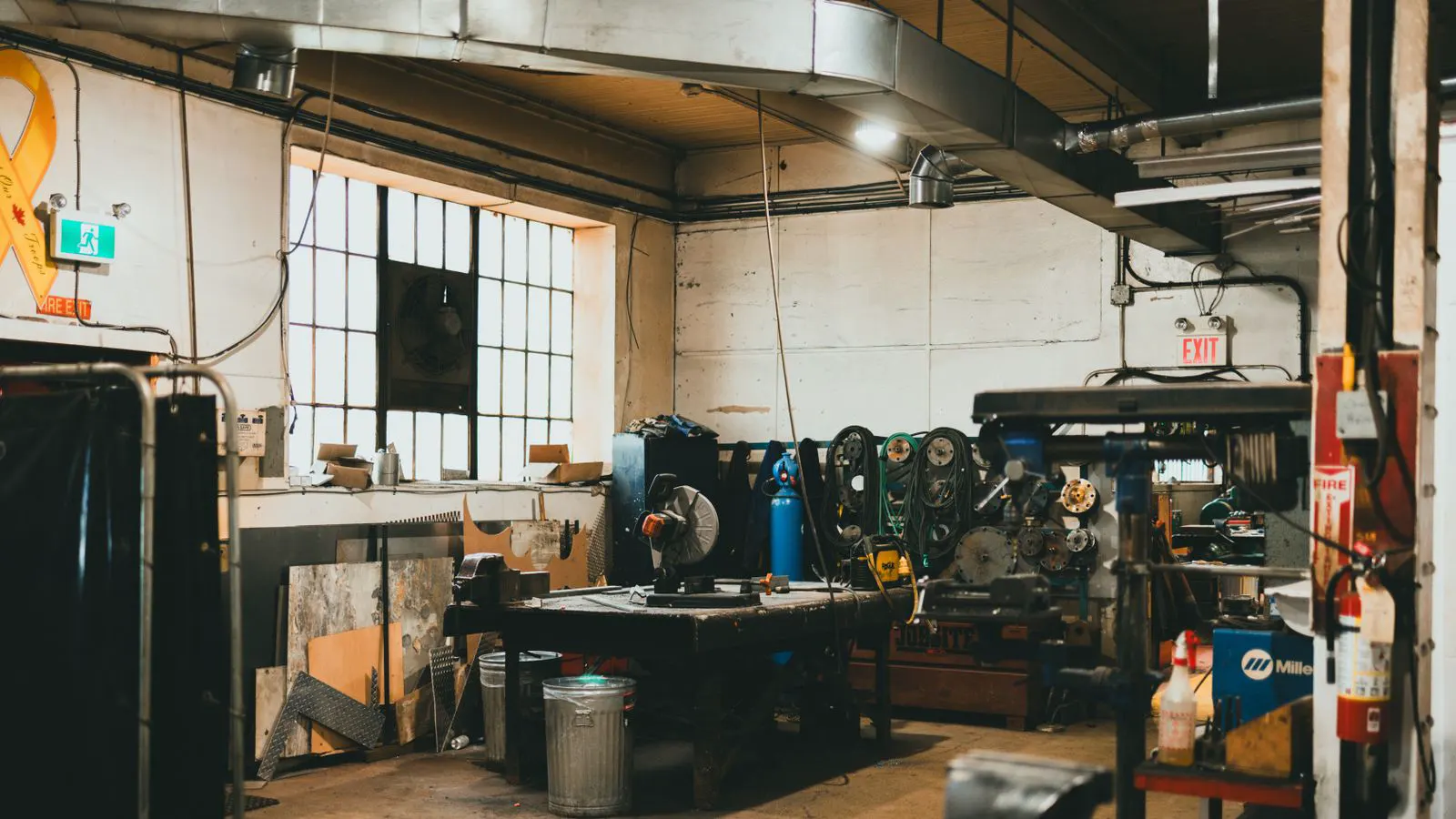
Consider a machine shop with metal grinding operations. The air contains fine metal dust, some oils, and general particulates. The goal is to protect the ventilation system and maintain a safe work environment, not to create a cleanroom.
The facility team looks at the dust. Most particles are in the 5 to 10 micrometer range. A MERV 8 filter will catch the bulk of this. However, the fine dust from grinding can penetrate deeper into the system. A MERV 11 or 13 would capture more of the fine fraction.
If the team chooses MERV 13, they get better air quality in the shop. The trade-off is that the filters clog faster due to the high dust load. They also face a higher initial cost per filter. The fan system must be checked to ensure it can maintain adequate airflow through the denser media.
In this scenario, a MERV 13 is a reasonable starting point. It balances capture efficiency with maintenance frequency. If the shop later adds processes that generate finer dust, such as sandblasting or chemical spraying, the team might step up to a prefilter setup. A coarser filter catches the large particles first, protecting the final HEPA or high-MERV unit from rapid clogging.
How to verify ratings from suppliers
Supplier datasheets list ratings, but you must verify the testing method. The MERV standard has been updated over time. Older data may use different test protocols than current standards.
Ask the supplier for the test report. The report should show the particle size tested, the challenge concentration, and the measured efficiency. If a supplier claims a high MERV rating but cannot provide the underlying test data, treat the claim with caution.
Also check the rating for the specific filter size. Efficiency can vary with filter dimensions. A rating measured on a small laboratory panel may not hold for a large industrial frame. The airflow per unit area changes, which affects how particles interact with the media.
Finally, confirm the rating applies to the specific filter media you are ordering. Suppliers sometimes sell multiple products under one brand line. Ensure the rating matches the exact part number you are placing on the purchase order.
Common mistakes buyers make with grades
The most frequent error is buying a higher grade than the system can support. A plant manager sees a HEPA filter and assumes it will solve all air quality issues. The system was never designed for the pressure drop. The fans run at full capacity, airflow drops, and the system becomes less effective, not more.
Another mistake is ignoring the prefilter stage. Many industrial systems use a two-stage approach. A coarse prefilter removes large debris and protects the high-efficiency filter. Without a prefilter, the HEPA unit clogs in a fraction of the expected time. The operating cost skyrockets.
Buyers also often conflate MERV with HEPA. They order a “MERV 16” for a cleanroom application and find it does not meet the required 99.95% capture at 0.3 micrometers. The specification was incorrect. The cleanroom needs a true HEPA unit, often with a specific H13 or H14 certification.
Practical steps for your next procurement
When you are ready to source, use these steps to ensure you select the correct filter grade.
- Identify the specific particles you need to remove. List the diameter range and the source.
- Determine your air quality target. Do you need 90% capture or 99.95% capture?
- Check your system pressure drop limits. Review the fan curves and ductwork design.
- Calculate the expected clogging rate. Estimate how often you will need to replace filters based on dust load.
- Request test reports from suppliers. Verify the rating method and filter size.
- Document the exact specification in your purchase order. Include the grade, size, and rating method.
By taking these steps, you move from guessing to specifying. You give your supplier clear instructions. You reduce the risk of receiving the wrong product. You ensure the filtration system performs as designed for the life of the project.
Frequently asked questions
What is the difference between MERV 13 and HEPA?
MERV 13 captures a high percentage of 3 micrometer particles. HEPA captures at least 99.95 percent of 0.3 micrometer particles. HEPA is a higher performance class for finer particles.
Can I use a HEPA filter in a standard industrial HVAC system?
Often, no. HEPA filters create a high pressure drop. You must verify that your fans can maintain the required airflow. If the system was designed for a lower grade, swapping in HEPA may reduce overall effectiveness.
How do I know if my current filters are the right grade?
Check the filter housing or the filter itself for the printed rating. Compare that to your original design specification. If the rating is missing, contact the supplier for documentation.
Does a higher MERV rating always mean a better filter?
Not necessarily. A higher rating captures smaller particles but clogs faster and creates more resistance. You should choose the lowest grade that meets your air quality requirements to balance performance and cost.
Where do I find the pressure drop data for a filter?
It is usually in the technical datasheet or the test report provided by the manufacturer. Look for a chart showing pressure drop at various airflow rates, measured in Pa or inches of water column.